
Coronary Artery Disease (CAD)
Assessment for narrowed or blocked coronary arteries when symptoms, cardiac tests, or angiography suggest that bypass surgery may be appropriate.
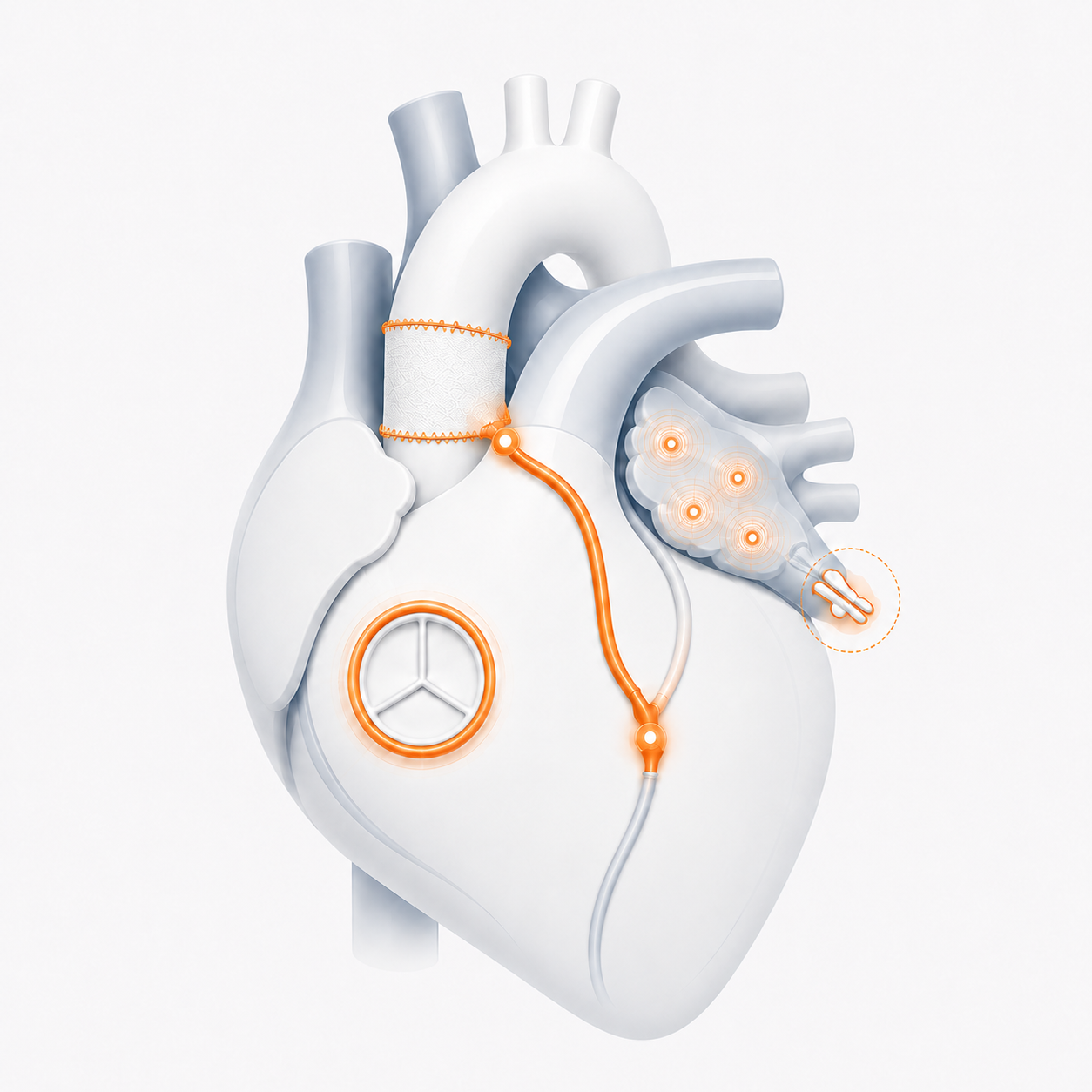
Assessment and surgical treatment for coronary artery disease, heart valve disease, and selected aortic conditions, with a clear pathway from diagnosis to treatment planning and recovery.
Assessment for narrowed or blocked coronary arteries when symptoms, cardiac tests, or angiography suggest that bypass surgery may be appropriate.
Review and treatment planning for aortic, mitral, and other valve conditions where surgery may be appropriate.
Specialist input for enlargement or disease of the aorta, including decisions about surveillance, timing, and surgery.
Not every patient with heart disease needs surgery. Treatment recommendations are based on symptoms, imaging, cardiac investigations, overall health, and a careful discussion of operative risk and likely benefit.
Most patients move through a staged process: review of the diagnosis, further testing where needed, treatment if appropriate, and planned follow-up after hospital care.
Medical history, symptoms, scans, and previous cardiac investigations are reviewed in detail.
Additional investigations may be arranged, and the likely benefits, risks, and alternatives are discussed.
If surgery proceeds, treatment is performed in an accredited hospital with post-operative monitoring and ward recovery.
Discharge planning, rehabilitation, wound review, and ongoing follow-up are coordinated after your hospital stay.
Answers to common questions patients and families often ask before heart surgery.
Recovery varies according to the procedure, your general health, and whether there have been any complications. Expected timeframes, including the likely length of hospital stay, are discussed in detail before surgery.
Longevity depends on the type of graft or valve used, the underlying heart condition, and long-term follow-up. This is explained on a case-by-case basis when treatment options are reviewed.
Risks vary according to the operation and the patient’s medical history. Common discussion points include bleeding, infection, stroke, rhythm disturbance, kidney injury, and the risks of major anaesthesia. Individual risk is assessed before any decision is made.